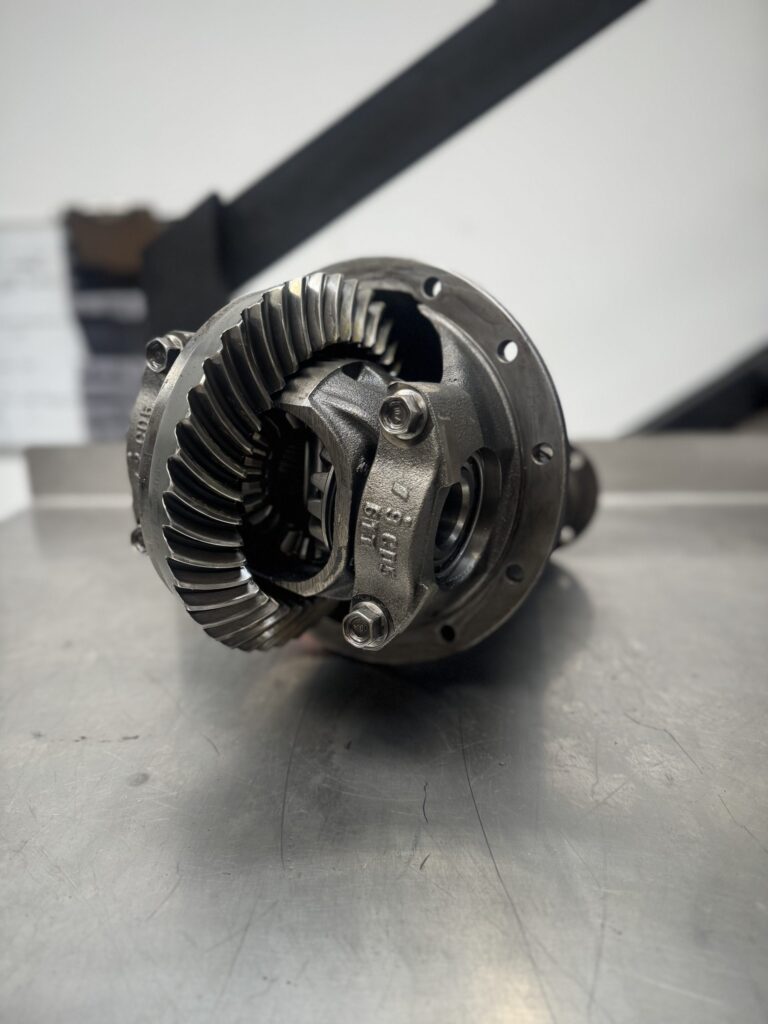
Solid pinion spacers are one of the most common upgrades we recommend when rebuilding a differential.
Replacing the factory crush sleeve with a solid pinion spacer can improve preload stability and long-term reliability, particularly in vehicles used for towing, off-road driving, high-performance applications, or vehicles fitted with larger tyres.
Many vehicle owners have never heard of a crush sleeve or solid spacer, yet it plays a critical role in the setup and operation of a differential.
Understanding the difference between a crush sleeve and a solid spacer can help explain why many performance, towing, and off-road vehicles benefit from the upgrade.
What Is a Crush Sleeve?
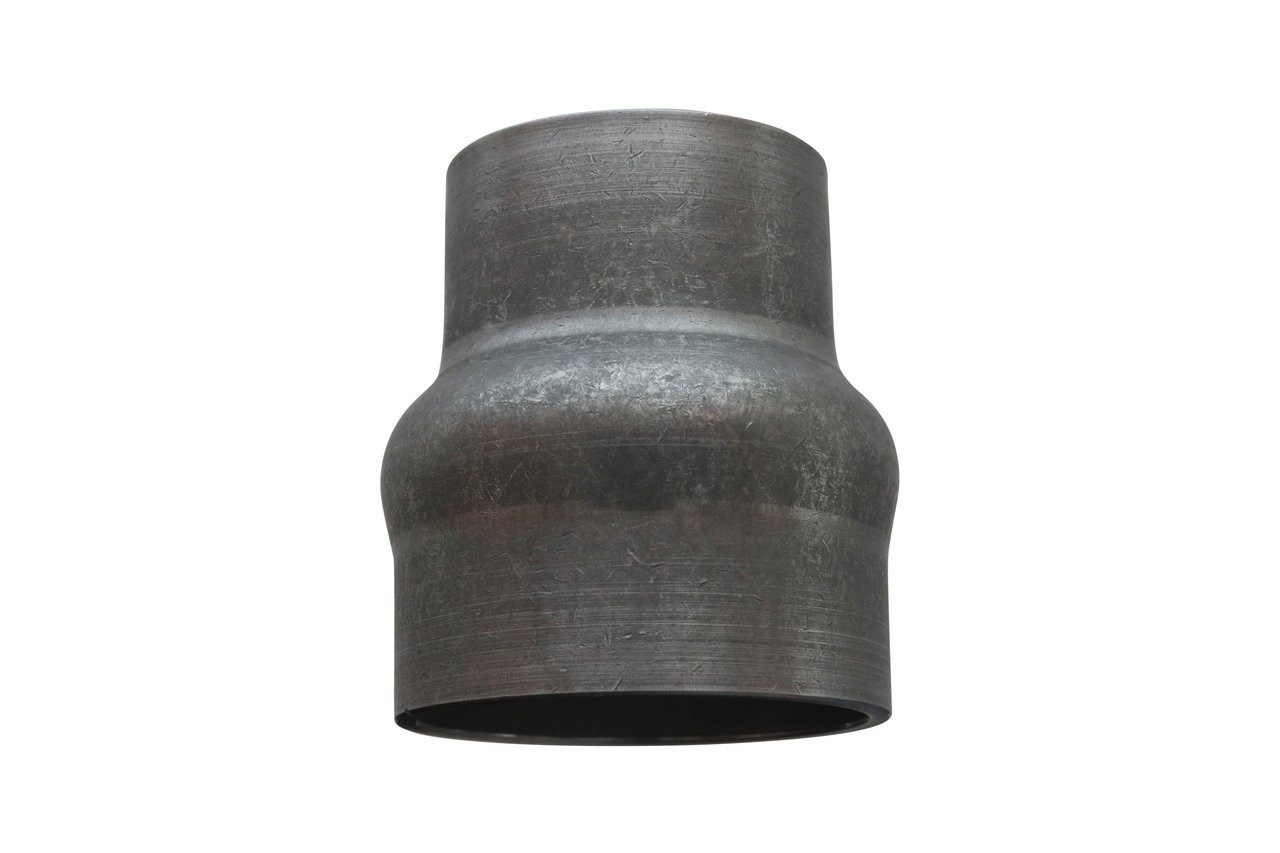
A crush sleeve (also known as a collapsible spacer) is a thin metal sleeve installed between the pinion bearings.
Its purpose is to set the preload on the pinion bearings during the diff assembly.
When the pinion nut is tightened, the crush sleeve compresses until the correct bearing preload is achieved.
Once the desired preload is reached, tightening stops and the pinion assembly is considered correctly set up.
Many manufacturers use crush sleeves because:
• They are inexpensive to produce
• They speed up assembly during manufacturing
• They reduce setup time on production lines
For mass vehicle production, crush sleeves are a simple and effective solution.
What Is Pinion Bearing Preload?
Pinion bearing preload is the amount of tension applied to the pinion bearings.
Correct preload is critical because it controls:
• Bearing life
• Gear alignment
• Differential noise
• Gear tooth contact pattern
Too little preload can allow movement in the pinion assembly.
Too much preload can overload the bearings and generate excessive heat, causing premature failure of the bearings.
Getting preload right is one of the most important steps during a diff rebuild.
The Weakness of Crush Sleeves
While crush sleeves work well in standard road vehicles, they do have limitations.
Over time, heavy loads and shock loads can place significant force through the pinion assembly.
Examples include:
• Large tyres
• Towing
• Off-road use
• Competition driving
• High horsepower applications
Under these conditions, the crush sleeve can continue to collapse slightly over time.
When this happens, pinion bearing preload reduces.
As preload decreases, the pinion can begin moving within the differential housing.
This movement can lead to:
• Differential whine
• Bearing wear
• Gear wear
• Incorrect contact patterns
• Premature diff failure
In many cases, a crush sleeve has not actually failed. Instead, it has simply relaxed enough over time to reduce pinion bearing preload.
If this issue is not identified early, what may have started as a simple bearing problem can eventually lead to expensive crownwheel and pinion damage.
What Are Solid Pinion Spacers?
A solid pinion spacer performs the same basic function as a crush sleeve but uses a completely different design.
Instead of relying on a collapsible sleeve, a solid spacer uses a fixed spacer to establish pinion bearing preload. There are two common approaches used to achieve the correct preload: a single-piece machined spacer or a shim-pack style spacer.
Single-Piece Solid Pinion Spacers
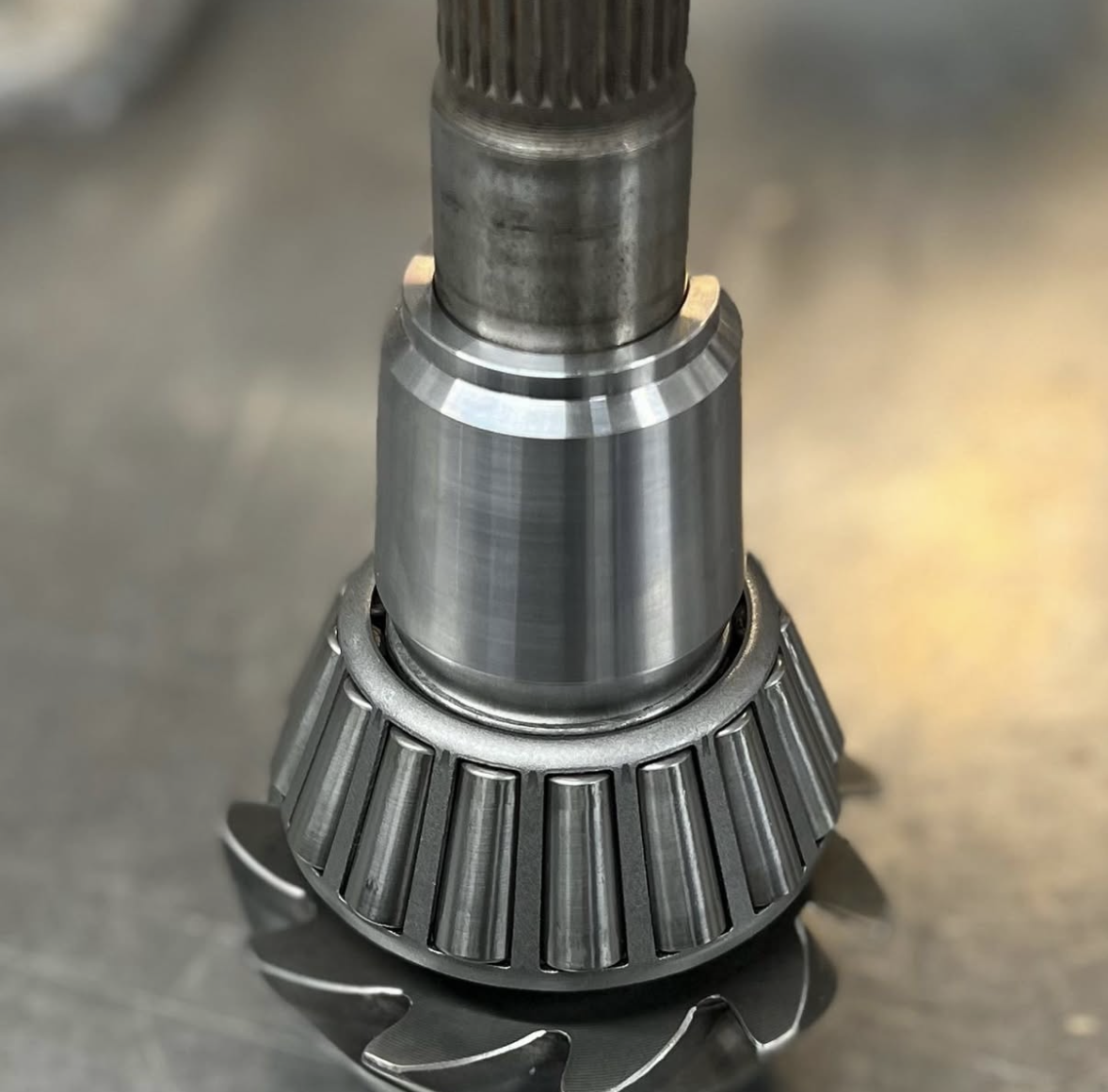
At Gearhead Diffs, we prefer to use single-piece solid pinion spacers wherever possible.
Single-piece spacers require precision machining to achieve the correct pinion bearing preload. Using equipment such as lathes and surface grinders, the technician must machine the spacer to an exact height.
The difference between correct and incorrect pinion bearing preload can be as little as one thousandth of an inch (0.001″), highlighting just how precise diff setup work can be.
While this method requires significantly more setup time and specialised equipment, it eliminates the need for thin preload shims and provides an extremely robust long-term solution.
Shim Pack Style Solid Pinion Spacers
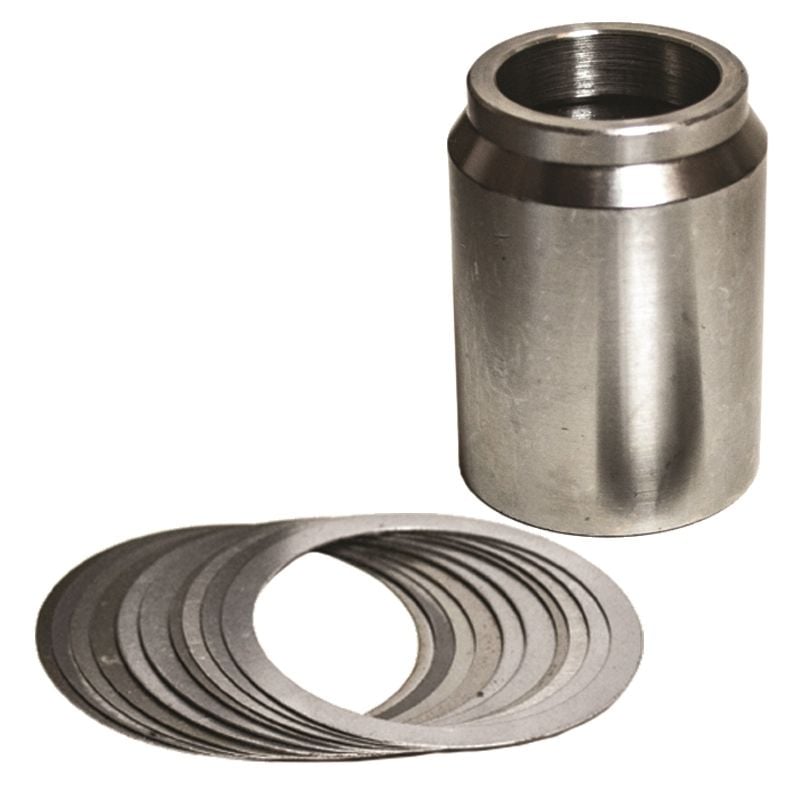
Another common style of solid pinion spacer uses a shim pack to achieve the correct pinion bearing preload.
These kits typically include multiple shims of varying thicknesses, allowing the installer to stack combinations of shims until the desired preload is achieved.
Many shim kits include shims as thin as:
• 0.010″ (10 thou)
• 0.005″ (5 thou)
This allows preload to be adjusted very accurately without requiring machining of the spacer itself.
While this system works well when correctly assembled, it does have its own limitations.
As pinion bearings wear and preload reduces over time, these extremely thin shims can begin to fret between the hardened surfaces they are clamped between.
In our workshop, it is not uncommon to see these thinner shims become heavily damaged or fail completely.
When this occurs, fragments of shim material can pass through the pinion bearings and differential assembly, potentially causing damage to:
• Bearing races
• Crownwheel and pinion gears
• Other internal differential components
This is one of the reasons we prefer a correctly machined single-piece solid pinion spacer where possible. Once the technician machines the spacer to the correct height, no thin shims remain that can wear, fret, or break down over time.
Why We Recommend Solid Pinion Spacers
The primary advantage of a solid pinion spacer is its ability to maintain consistent pinion bearing preload and that it stops the pinion from flexing under load.
Unlike a crush sleeve, a solid pinion spacer cannot continue collapsing after installation. This helps maintain the original differential setup and reduces the likelihood of preload loss over time.
Because preload remains more consistent, solid pinion spacers are particularly well suited to vehicles that experience higher drivetrain loads, including:
• Vehicles fitted with larger tyres
• Towing vehicles
• Off-road vehicles
• High-performance applications
By maintaining stable preload, solid pinion spacers can help reduce the likelihood of gear noise, bearing wear, and premature differential failure.
At Gearhead Diffs, we regularly fit solid pinion spacers during differential rebuilds and consider them a worthwhile upgrade for many applications.
The additional cost is relatively small compared with the overall cost of a differential rebuild, yet it can provide significant long-term benefits in reliability, durability, and differential longevity.
Final Thoughts
Crush sleeves are absolutely fine for everyday vehicles and perform well under normal driving conditions.
However, for vehicles that tow, run larger tyres, see off-road use, or produce higher power levels, a solid pinion spacer can provide a more durable and consistent setup.
By maintaining stable pinion bearing preload, solid pinion spacers help reduce the likelihood of gear noise, bearing wear, and premature differential problems.