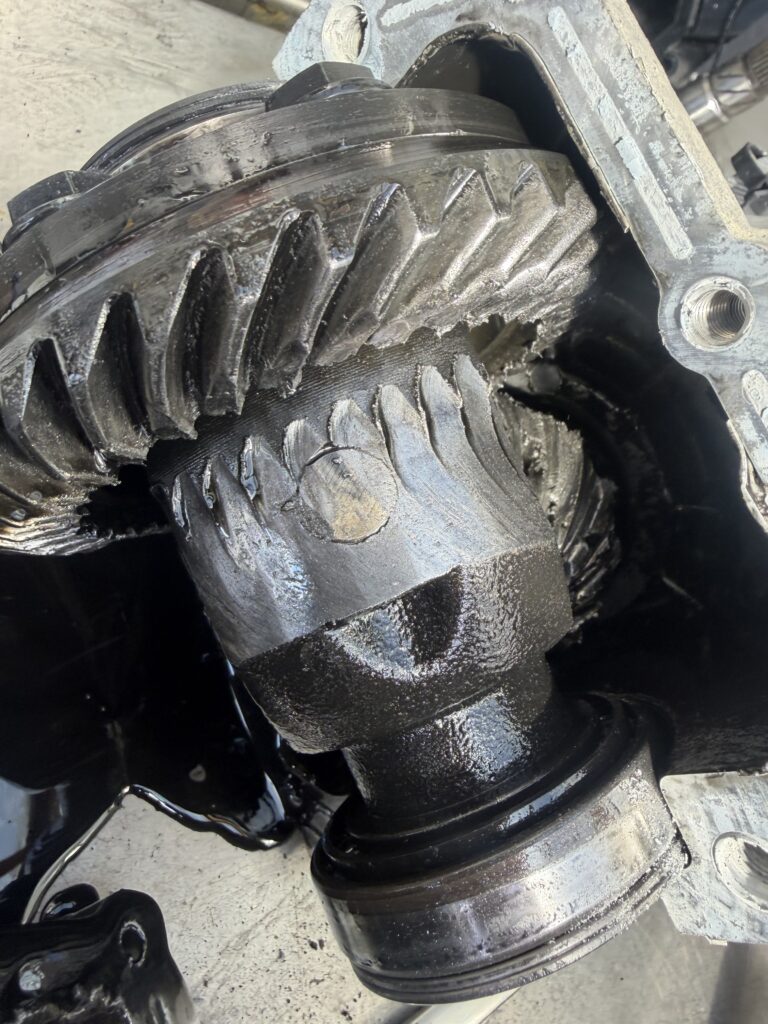
Many modern vehicles are marketed as having “lifetime differential oil”, meaning the oil is not intended to be serviced during normal vehicle ownership.
This can give the impression that diff oil never needs to be replaced.
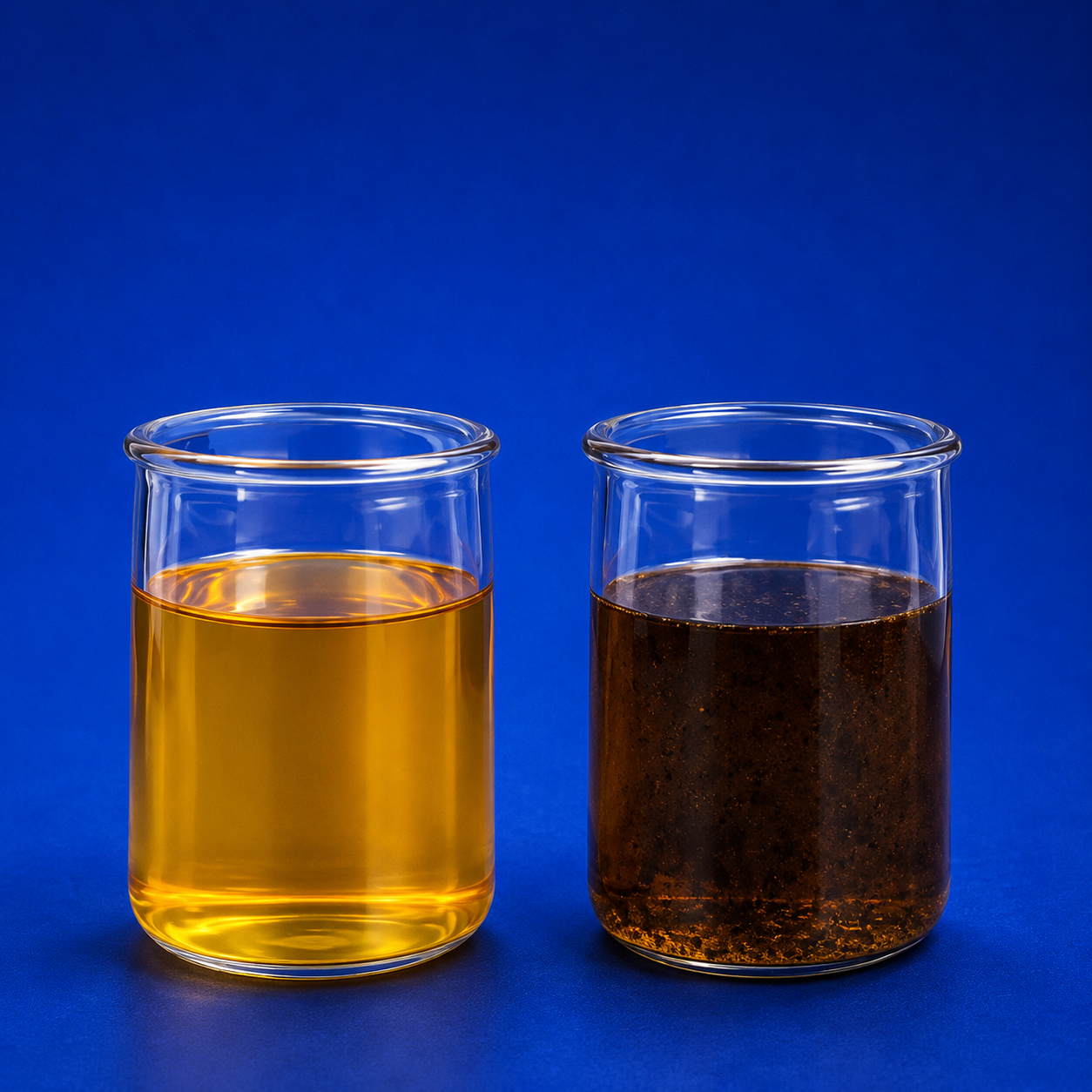
In reality, differential oil degrades over time due to heat, contamination, and normal internal wear.
In our opinion, removing the drain plug does not magically turn differential oil into a lifetime product.
Gear oil is still subject to the same wear and contamination as it has always been. Removing the ability to easily service the oil does not change the physical demands placed on it.
What Does “Lifetime Oil” Actually Mean?
In many cases, the term lifetime oil refers to the expected service life defined by the manufacturer.
This may correspond to:
• The vehicle’s warranty period
• The expected ownership period of the average driver
• Reduced scheduled maintenance requirements
Manufacturers often aim to reduce servicing requirements to lower the advertised cost of ownership.
However, this does not necessarily mean the oil will continue to provide optimal protection for the entire lifespan of the differential.
What Happens to Differential Oil Over Time?
Diff oil plays a critical role in lubricating gears and bearings while also helping remove heat and wear particles.
Over time, even high-quality gear oils degrade due to:
• Heat cycles
• Metal particles created by normal wear
• Oxidation of the oil
• Contamination from internal wear components
As the oil ages, its ability to properly lubricate and protect internal components gradually decreases.
Normal wear creates microscopic metal particles that circulate through the bearings and gears. Without periodic oil changes, this contamination can accelerate wear on internal components.
Limited Repair Options in Some Modern Differentials
Some manufacturers do not sell individual internal differential components.
In some cases, bearings, gears, and other internal components are not available separately. Instead, the manufacturer may only offer a complete replacement differential assembly.
When these differentials fail, dealerships often recommend replacing the complete assembly. Depending on the vehicle, this can cost thousands or even tens of thousands of dollars.
However, many differential failures can still be professionally repaired by us here at Gearhead Diffs.
Some manufacturers use proprietary bearing sizes that have no direct off-the-shelf replacement.
This can make repairs more difficult, as standard bearing catalogues may not list a direct equivalent.
Despite these challenges, we can often source alternatives and repair the differential instead of replacing it. In many cases, this comes at a fraction of the cost of a brand-new differential assembly.
We’ll also explore this topic further in our next article, where we look at “ball bearings vs tapered roller bearings in differentials” and how these choices can affect repairability and longevity.
Why This Makes Regular Differential Oil Changes Essential
Despite the marketing of lifetime oils, regular differential oil changes remain one of the most important steps in maintaining drivetrain longevity.
Fresh oil removes accumulated wear particles and restores the protection needed for gears and bearings.
Routine oil changes help protect:
• Differential bearings
• Crownwheel and pinion gears
• Seals and internal components
Regular servicing also allows technicians to check for metal contamination and identify problems before they become major failures.
In many cases, simply replacing differential oil at reasonable service intervals can significantly extend the life of the differential.
Real-World Workshop Experience
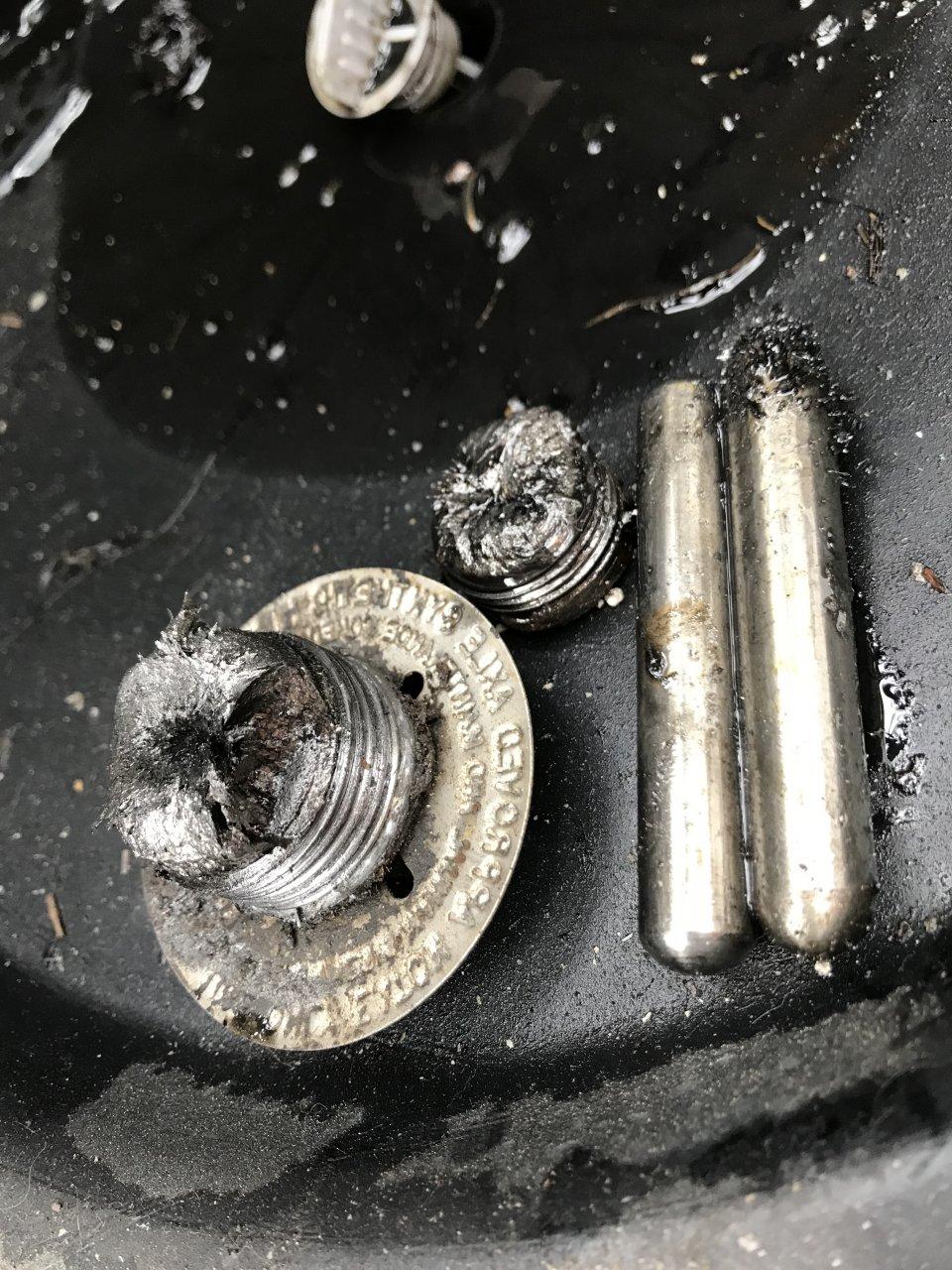
In workshop environments, it is not uncommon to inspect differentials where the oil has never been changed throughout the life of the vehicle.
In many cases, the oil contains large amounts of wear particles and no longer provides adequate lubrication.
Over time, this can contribute to accelerated wear of bearings and gears, eventually leading to noise, excessive backlash, or complete differential failure.