
Bearings play a critical role in the strength, durability, and lifespan of a differential.
Inside every diff assembly, bearings support rotating components such as the pinion gear and differential carrier. They also maintain the precise alignment required for the crownwheel and pinion gears to mesh correctly.
When diff bearings begin to wear or fail, they can cause noise, vibration, and eventually major drivetrain damage.
Understanding the difference between ball bearings and tapered roller bearings helps explain why some differentials last significantly longer than others.
Historically, manufacturers used tapered roller bearings in most differential applications. However, some modern differential designs now use angular contact ball bearings, sometimes referred to as tapered ball bearings.
These two bearing types behave quite differently when subjected to the loads generated inside a differential.
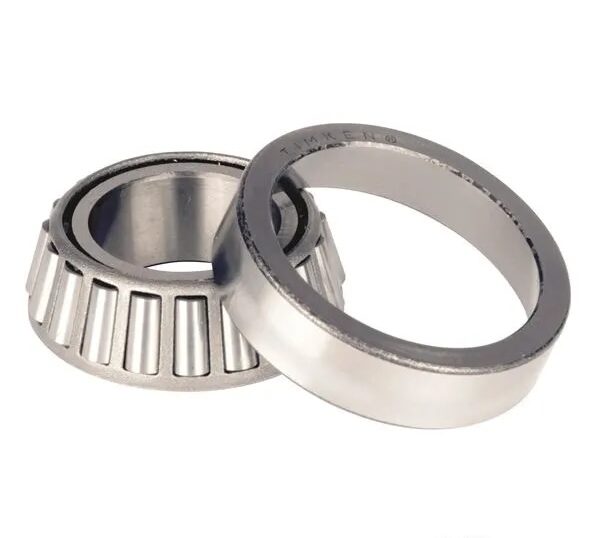
Tapered Roller Bearings
Manufacturers traditionally used tapered roller bearings in many differential designs because they are extremely well suited to handling combined radial and axial loads.
The rollers inside the bearing are tapered. Engineers arrange them so they can support thrust loads along the axis of the shaft.
In differential applications, tapered roller bearings offer several advantages:
- Excellent load carrying capacity
- Strong resistance to axial thrust loads
- Ability to handle heavy drivetrain loads
- Proven durability in demanding applications
Because of these characteristics, manufacturers have relied on tapered roller bearings in differential designs for many years.
Angular Contact Ball Bearings
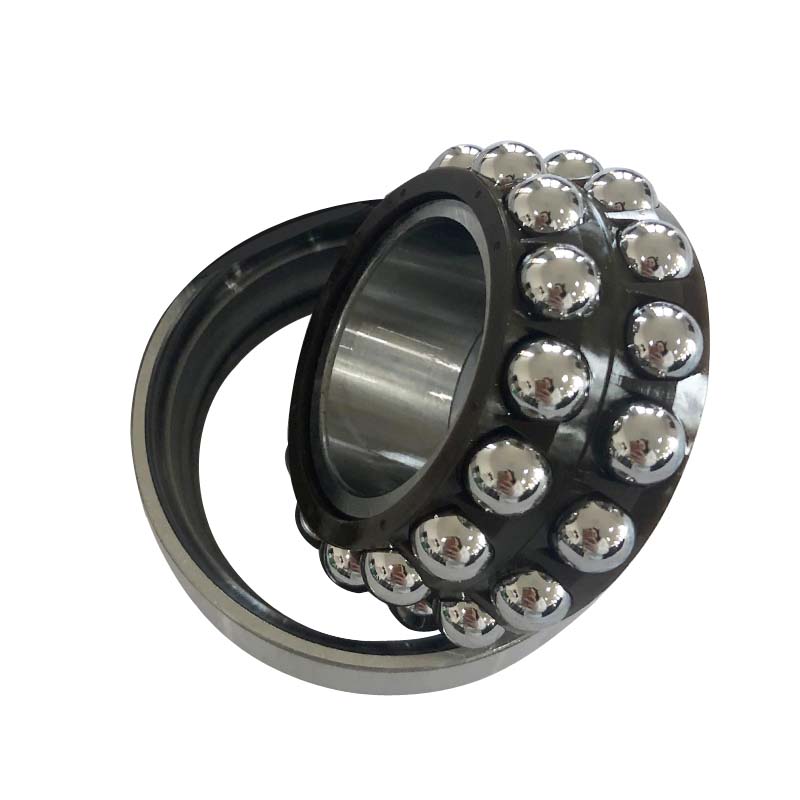
In some modern differential designs, manufacturers use angular contact ball bearings, sometimes referred to as tapered ball bearings.
Engineers design these bearings with angled ball races. This allows them to carry both radial and axial loads rather than only radial loads like a standard ball bearing.
One of the main reasons manufacturers use these bearings is to reduce internal friction within the drivetrain.
Reducing friction inside drivetrain components has become increasingly important. Manufacturers work hard to meet strict emissions standards and fuel economy targets.
Even small reductions in drivetrain losses can improve fuel economy ratings. This helps manufacturers meet regulatory requirements and makes vehicles more appealing to buyers who are conscious of running costs.
For this reason, some manufacturers prioritise designs that slightly reduce drivetrain friction. In some cases, they make this choice even when the long-term durability characteristics differ from more traditional heavy-duty bearing designs.
Why Tapered Roller Bearings Are Superior to Ball Bearings
One of the key differences between tapered roller bearings and angular contact ball bearings is the way they distribute load across the bearing surfaces.
In a tapered roller bearing, the rollers contact the bearing races across a much larger surface area. The rollers themselves are long and tapered. This spreads the load along the length of the roller where it meets the race.
The larger contact area allows tapered roller bearings to distribute load far more effectively. As a result, the stress placed on any single point within the bearing is significantly reduced.
Because of this, tapered roller bearings are extremely well suited to handling the heavy combined loads generated inside a differential. This is particularly important with hypoid gear sets that produce significant thrust forces.
In contrast, angular contact ball bearings carry load through small point contact areas where the ball meets the bearing race.
Although these bearings can carry both radial and axial loads, the actual contact surface between the ball and race is much smaller than that of a tapered roller bearing.
As a result, the load becomes concentrated into much smaller contact patches. This increases the stress within the bearing surfaces.
Over time, higher contact stress can lead to:
- Increased wear
- Surface fatigue
- Reduced bearing lifespan
For this reason, engineers have historically preferred tapered roller bearings in many differential designs where durability, load capacity, and long service life are priorities.
Repair Challenges With Modern Bearings
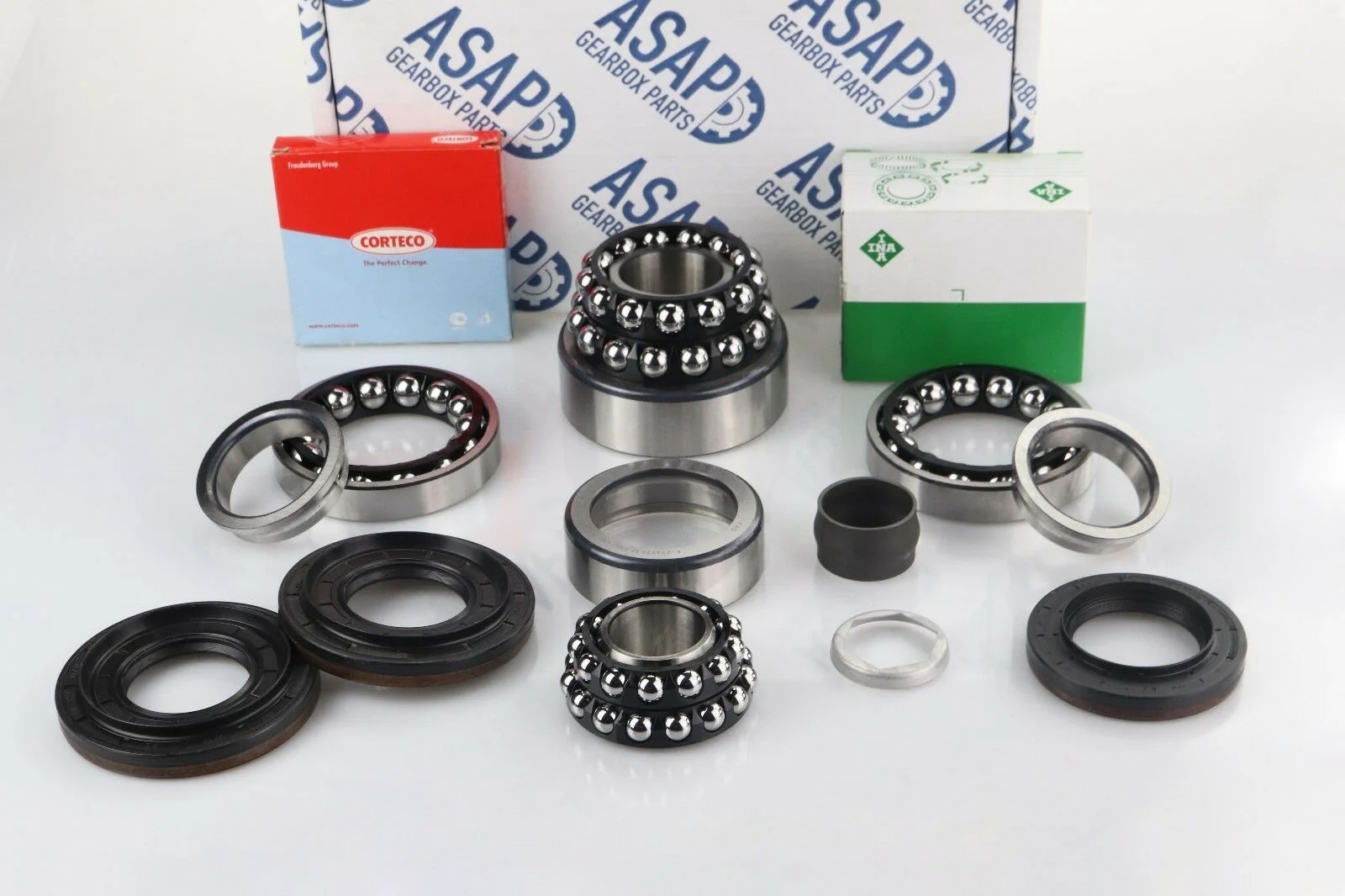
Some modern differential designs create another challenge through the use of proprietary bearings.
Manufacturers sometimes design bearings with unusual dimensions that are not available through standard bearing suppliers.
This can make repairs more difficult because technicians may not have access to a direct replacement through conventional bearing catalogues.
As discussed in our article “Lifetime Differential Oil, Is It Really Lifetime?“, dealerships sometimes recommend replacing the entire differential assembly rather than repairing the original unit.
However, the right expertise and engineering approach often make repairs possible.
At Gearhead Diffs, we regularly encounter these types of challenges. We have developed several methods that allow us to convert some of these designs from proprietary ball bearings to tapered roller bearings.
In some cases, we adjust shim stacks within the differential. This compensates for differences in bearing stack height when fitting alternative bearings.
In other situations, we machine custom bearing sleeves or adaptors. This allows us to fit a more conventional bearing in place of the original proprietary design.
This process can add some additional cost compared with a standard differential re-bearing. However, it often remains significantly cheaper than purchasing proprietary bearings from a dealer or manufacturer, if those parts are even available.
In many cases, converting a differential from ball bearings to tapered roller bearings can improve overall strength and durability. It can also result in a significantly longer service life.
Real World Diff Longevity
Several factors influence differential longevity, including:
- Bearing design
- Lubrication quality
- Vehicle usage
- Maintenance practices
Differential bearing wear remains one of the most common causes of differential noise and failure.
Both bearing types can function effectively when properly designed and maintained. However, the traditional use of tapered roller bearings in many older differential designs has contributed to the long service life for which those differentials are known.
Differential Repairs at Gearhead Diffs
At Gearhead Diffs, we regularly inspect and rebuild differentials from a wide range of vehicles. This includes modern designs that use both angular contact ball bearings and tapered roller bearings.
When possible, repairing a differential rather than replacing it can provide a more cost-effective solution for vehicle owners.
Understanding the design and limitations of different bearing systems is an important part of diagnosing and repairing drivetrain problems correctly.
If you suspect your differential bearings may be worn or noisy, a professional inspection can help identify the issue before it causes more serious drivetrain damage.