Diff lockers are designed to provide maximum traction by locking both wheels on an axle together.
However, unlike open diffs or limited slip diffs, a diff lock forces both wheels to rotate at the same speed when engaged.
Therefore, if one wheel loses traction, the other wheel can still receive full torque from the drivetrain.
You will commonly find diff lockers in:
- Off-road vehicles
- Four-wheel-drive vehicles
- Rock crawling applications
- Extreme terrain vehicles
How a Standard Diff Works
A normal diff allows the two wheels on an axle to rotate at different speeds. This is necessary when the vehicle turns because the outside wheel travels further than the inside wheel.
However, an open differential has one major disadvantage. Torque follows the path of least resistance.
As a result, if one wheel loses traction, most of the torque may transfer to the slipping wheel. Consequently, the wheel with grip may not receive enough torque to move the vehicle.
How a Diff Locker Works
A differential locker eliminates this problem by mechanically locking both axle shafts together.
When engaged, the locker forces both wheels to turn at the same speed. Therefore, it provides maximum available traction.
Even if one wheel has little or no traction, the wheel with grip can still receive torque and move the vehicle forward.
Types of Differential Lockers
The most common types of differential lockers include:
Each type uses a different method to lock the differential.
Air Lockers
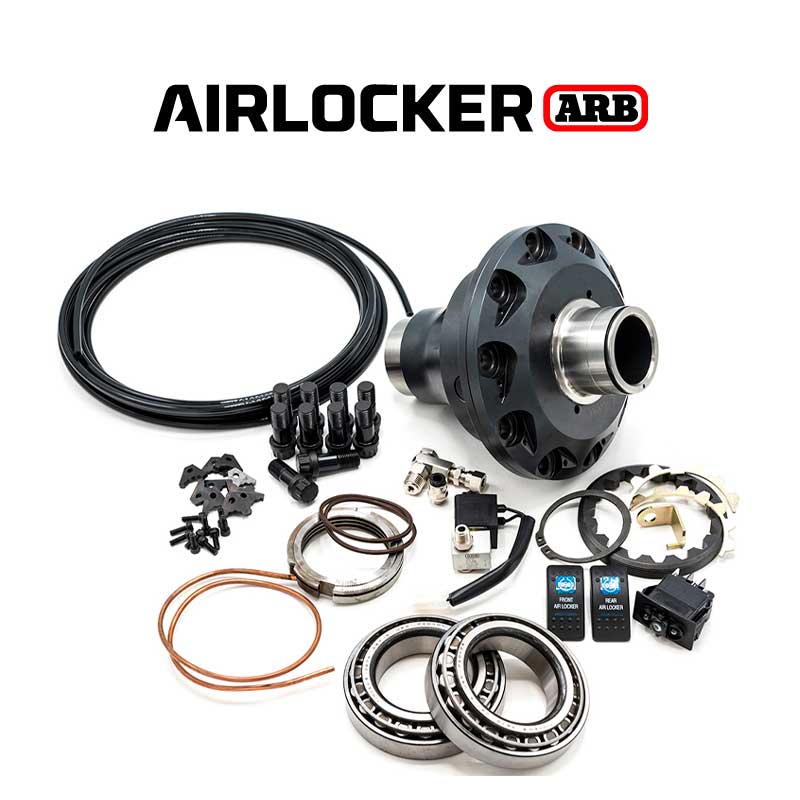
Air lockers use compressed air to engage the locking mechanism inside the differential.
When activated, air pressure moves an internal locking collar. This collar locks the differential gears together.
For example, well-known air locker brands include:
- ARB air locker
- TJM Pro Locker
- Yukon Ziplocker
- HF Air locker
Electronic Lockers (E-Lockers)
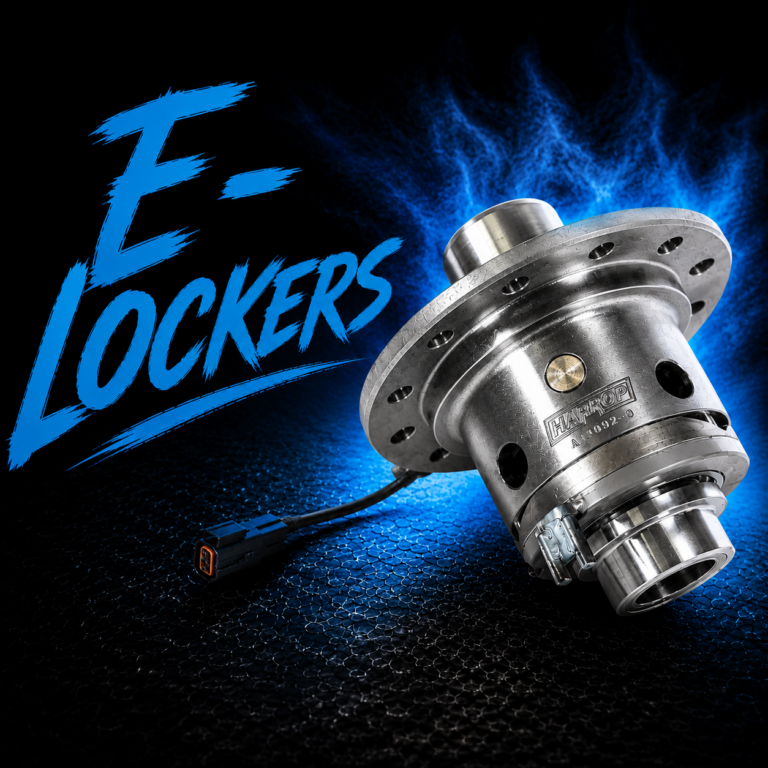
Electronic lockers use an electric actuator or electromagnet to engage the locking mechanism inside the differential.
Well-known electronic locker systems include:
- Harrop ELocker
- Eaton ELocker
- Factory locking differentials from Toyota, Ford and other manufacturers
Drivers usually control these lockers with a dashboard switch.
Mechanical Lockers (Auto Lockers)
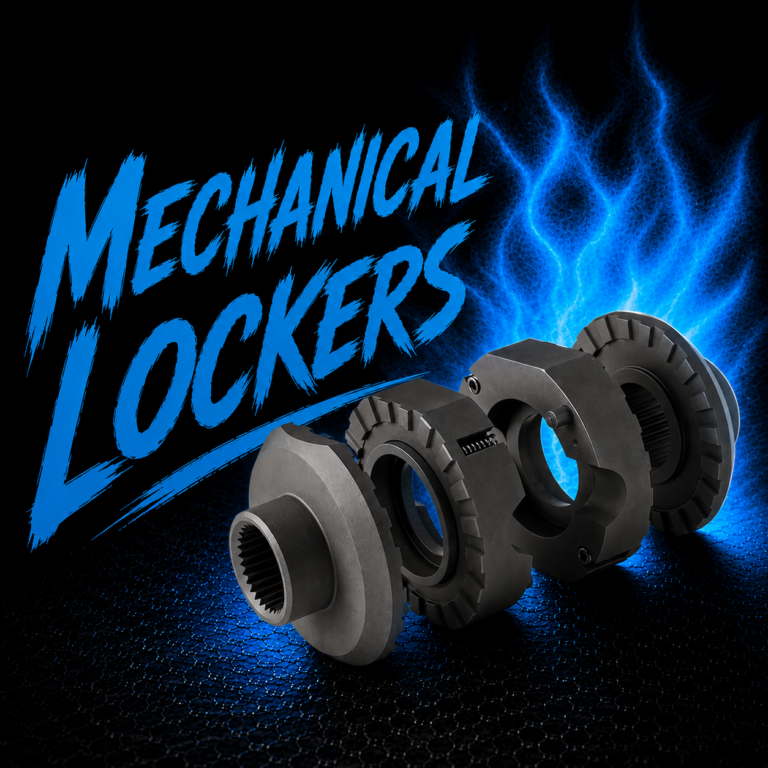
Mechanical lockers operate without air or electrical systems.
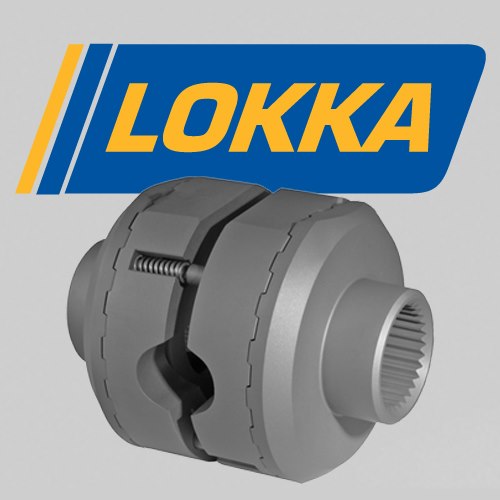
Instead, they automatically lock the axle shafts together when torque passes through the differential.
Common examples include:
- Detroit Locker
- Lokka
- Yukon Grizzly Locker
When Are Diff Lockers Used
Differential lockers provide the greatest benefit when maximum traction is required.
- Off-road driving
- Rock crawling
- Mud or loose terrain
- Situations where wheels may lift off the ground
Choosing the Right Diff Locker
The ideal locker depends on the vehicle and its intended use.
Air lockers provide strong locking performance while allowing full driver control.
Additionally, electronic lockers offer convenient operation and, in our opinion, have fewer components to maintain.
Meanwhile, mechanical lockers offer simple installation. However, they generally do not operate as smoothly as air or electronic locker systems.
At Gearhead Diffs, we supply and install a wide range of differential upgrades. These include differential lockers and limited slip differentials.