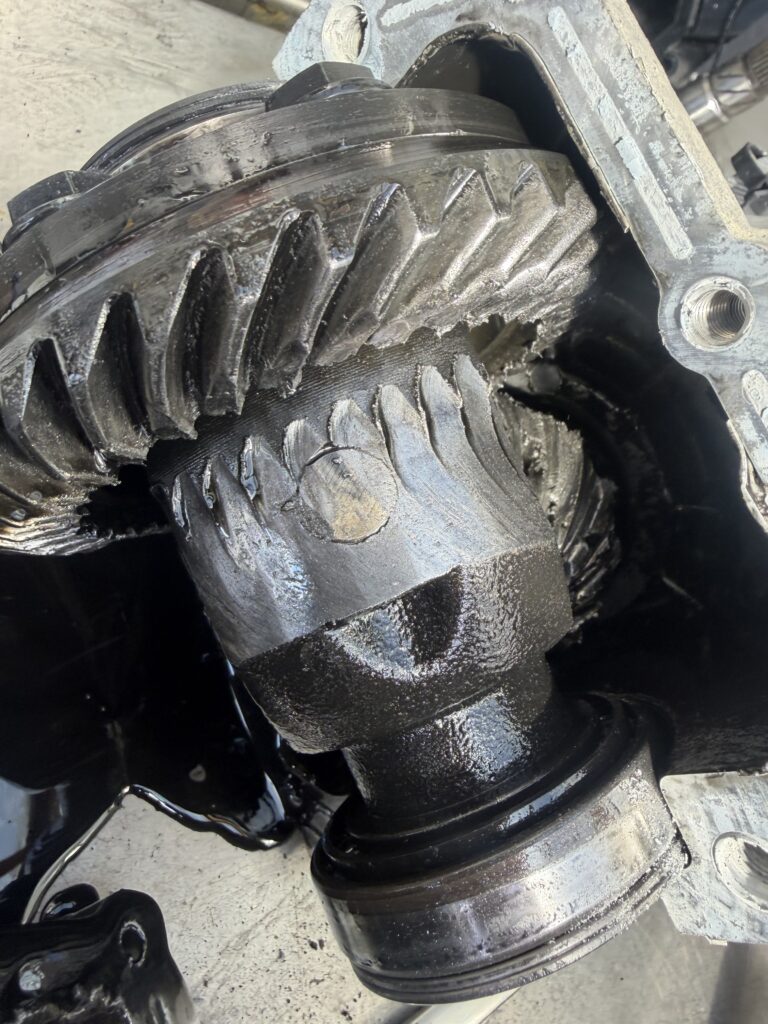
Differential whine is one of the most common drivetrain issues vehicle owners experience. It often starts as a faint noise that changes with vehicle speed and can gradually become louder over time.
A whining differential is usually an indication that something inside the diff is beginning to wear or is not set up correctly. While the noise may seem minor at first, ignoring it can lead to more serious internal damage.
Below are some of the most common causes of differential whine and how the issue is typically repaired.
1. Worn Pinion Bearings
One of the most common causes of differential whine is worn pinion bearings.
The pinion bearings support the pinion gear, which transfers power from the driveshaft to the crown wheel. Over time these bearings can wear due to high mileage, heavy loads, or contaminated oil.
Typical symptoms include:
• A whining noise that increases with vehicle speed
• Noise during acceleration or deceleration
• A high-pitched whine from the rear of the vehicle
If caught early, replacing the bearings and correctly resetting the pinion preload can often resolve the issue before further damage occurs.
2. Worn Crown Wheel and Pinion Gears
Over time the crown wheel and pinion gears can develop wear patterns, particularly in vehicles that have travelled high kilometres or regularly tow heavy loads.
As the gear teeth wear, they may begin to mesh incorrectly which can produce a whining or howling noise.
Once gear wear becomes significant, the only reliable repair is usually:
• Replacing the crown wheel and pinion gear set
• Installing new bearings and seals
• Fully resetting the differential.
3. Incorrect Crown Wheel and Pinion Setup
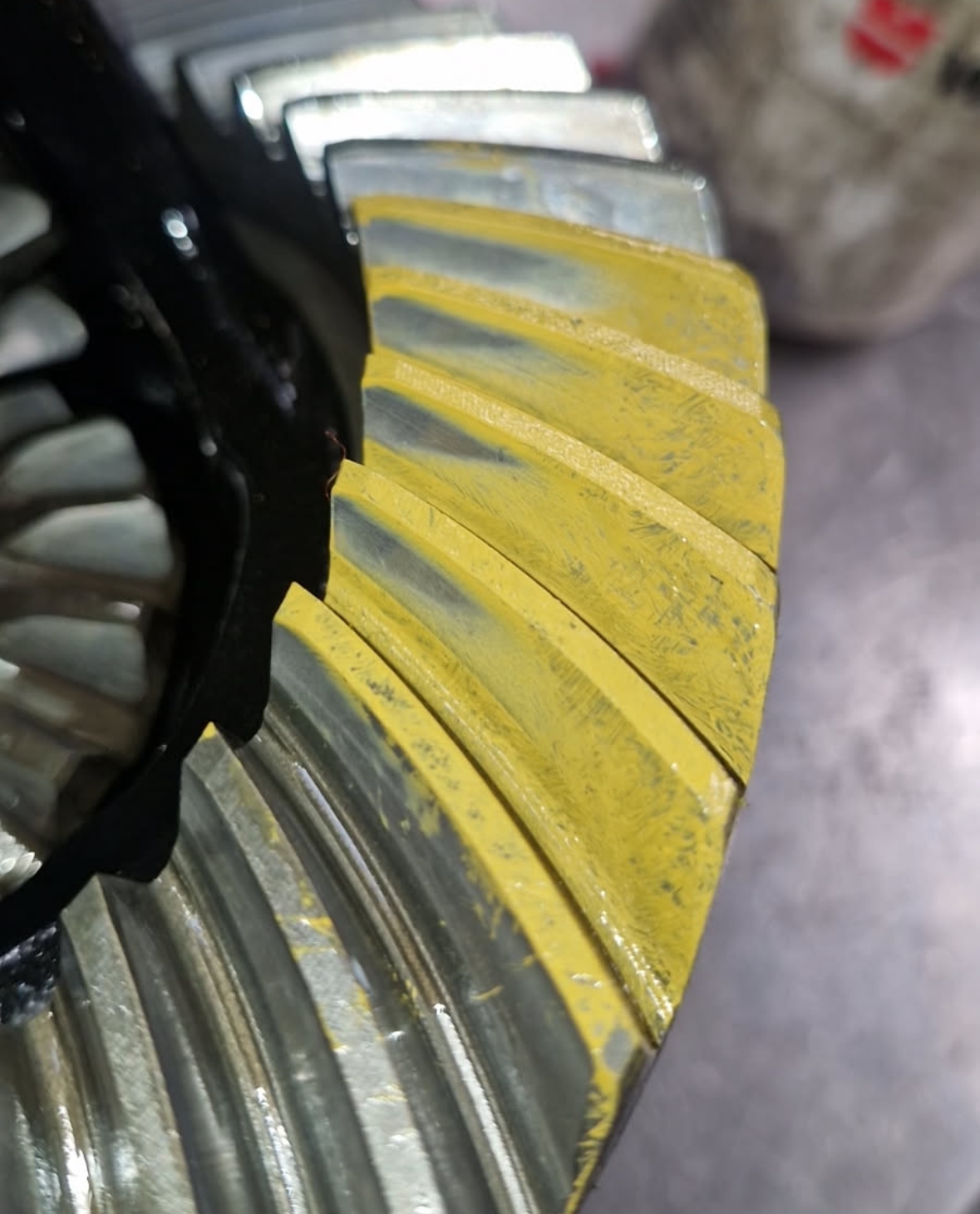
Differentials require extremely precise setup to operate correctly. The crown wheel and pinion must mesh together within very tight tolerances.
If the backlash, gear pattern, pinion depth, or bearing preload is incorrect, the gears may not mesh properly which can create a noticeable whining noise.
Correcting this usually requires:
• Resetting backlash
• Checking the gear contact pattern
• Setting correct bearing preload
• Setting the correct pinion depth
Proper setup is critical for both quiet operation and long gear life. Even small setup errors can cause gear noise and significantly reduce the lifespan of the crown wheel and pinion.
4. Low or Contaminated Differential Oil
Differential oil plays a crucial role in lubricating the gears and bearings inside the housing.
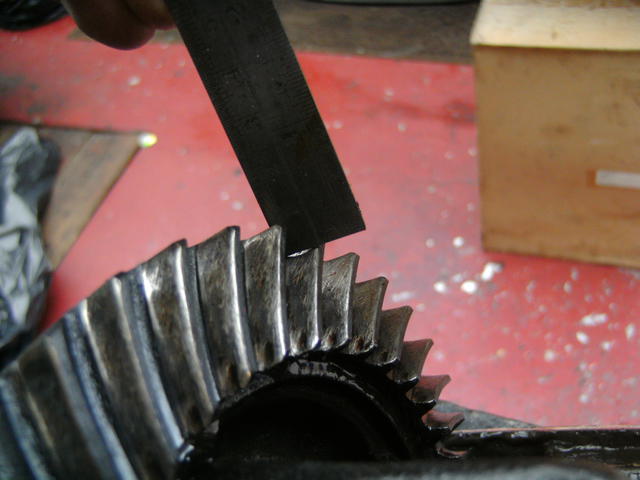
If the oil level becomes low due to leaks, or if the oil becomes contaminated with metal particles, internal wear can accelerate quickly.
This can lead to:
• Increased gear noise caused by scuffed gears (See photo)
• Bearing damage
• Overheating of internal components
Regular servicing and checking for oil leaks can help prevent these issues.
5. Carrier Bearing Wear
The differential carrier bearings support the main differential assembly inside the housing. Over time these bearings can wear or develop pitting.
When carrier bearings begin to fail, they may produce a whining or rumbling noise that changes with vehicle speed.
Replacing worn carrier bearings and correctly resetting the differential often resolves this problem.
Diagnosing Differential Whine
Diagnosing the exact cause of differential whine usually requires inspection by a specialist. Listening to when the noise occurs — such as during acceleration, deceleration, or constant speed — can help identify which components may be worn.
A proper inspection often involves draining the differential oil and checking for metal particles or other signs of internal damage.
Need Help With a Noisy Differential?
At Gearhead Diffs, we specialise in diagnosing and repairing differential problems for a wide range of vehicles including 4WDs, performance cars, and commercial vehicles.
If your differential is making noise or you suspect an issue, feel free to get in touch with our team.