
Your vehicle’s differential is a critical part of the drivetrain. It allows the wheels to rotate at different speeds when cornering while transferring power from the driveshaft to the wheels.
Because the differential operates under constant load, internal components such as bearings, gears, and seals will eventually wear over time. Fortunately, most differential problems show warning signs before a complete failure occurs.
Recognising these symptoms early can help prevent further damage and potentially save you from a much more expensive repair.
Here are five common signs that your differential may need attention.
1. Whining or Howling Noise While Driving
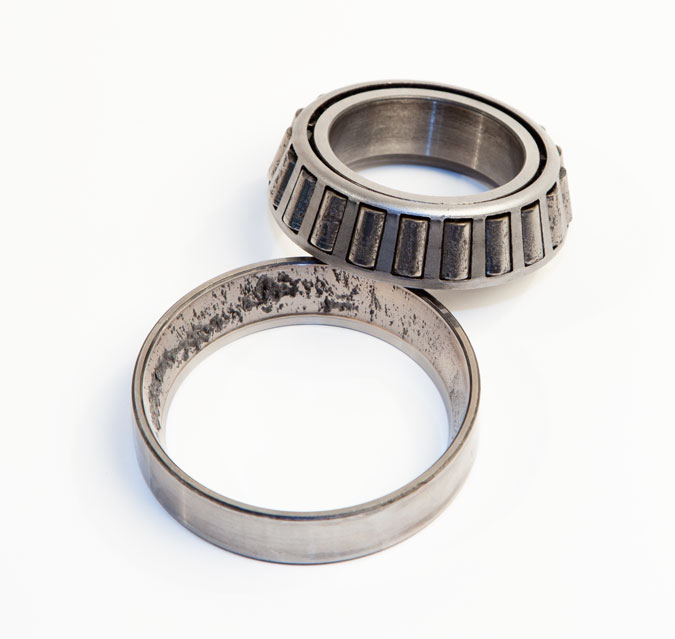
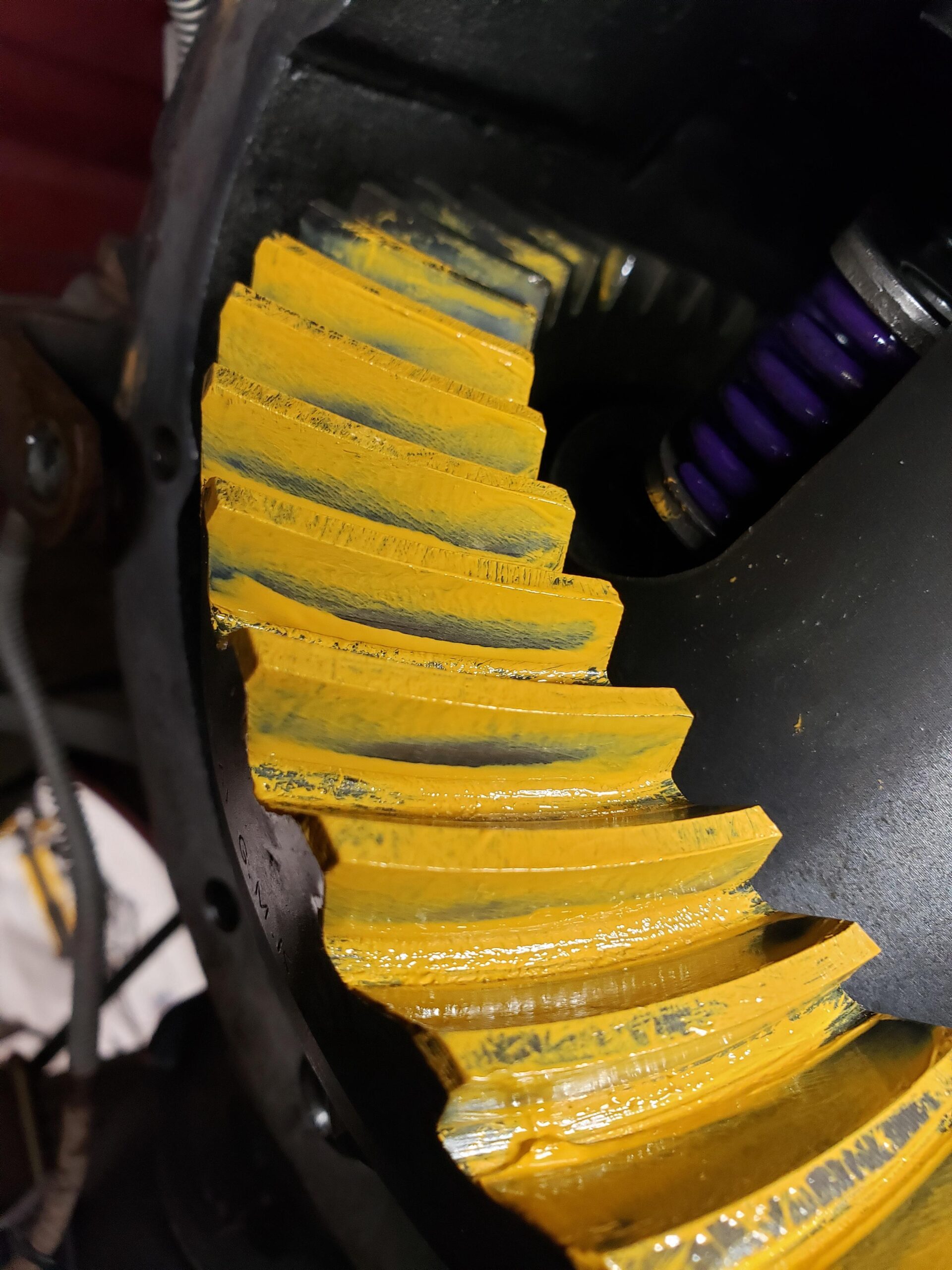
One of the most common symptoms of differential problems is a whining or howling noise, particularly when accelerating or decelerating.
This noise is often caused by:
• Worn pinion bearings
• Worn carrier bearings
• Incorrect gear setup
• Worn crown wheel and pinion gears
• Low or contaminated differential oil
The noise will usually change pitch depending on vehicle speed or throttle input.
At Gearhead Diffs, we most commonly see both worn bearings and worn crownwheel and pinions causing this issue, particularly on higher kilometre vehicles or vehicles that regularly tow heavy loads.
2. Clunking When Accelerating or Changing Gears
A clunk or knock when taking off or changing gears can indicate excessive movement within the differential.
Possible causes include:
• Worn spider gears
• Excessive backlash between the crown wheel and pinion
• Worn side gears
• Worn limited slip differential components
While some driveline play can also come from universal joints or driveshaft components, internal differential wear is a common cause.
3. Vibrations While Driving
If you begin to feel unusual vibrations through the vehicle while driving, it may indicate damage to the differential housing or axle components.
Unlike noise-related issues, vibrations are less commonly caused by normal differential wear and are more often the result of physical damage.
Possible causes include:
• Bent differential housing
• Bent axle shafts (common in beam axle differentials)
• Impact damage from off-road use or accidents
• Severe internal component failure
These issues can occur if a vehicle has experienced a heavy impact, such as off-road driving or contact with obstacles.
If vibrations appear suddenly, it’s important to have the drivetrain inspected to prevent further damage.
4. Oil Leaks from the Differential
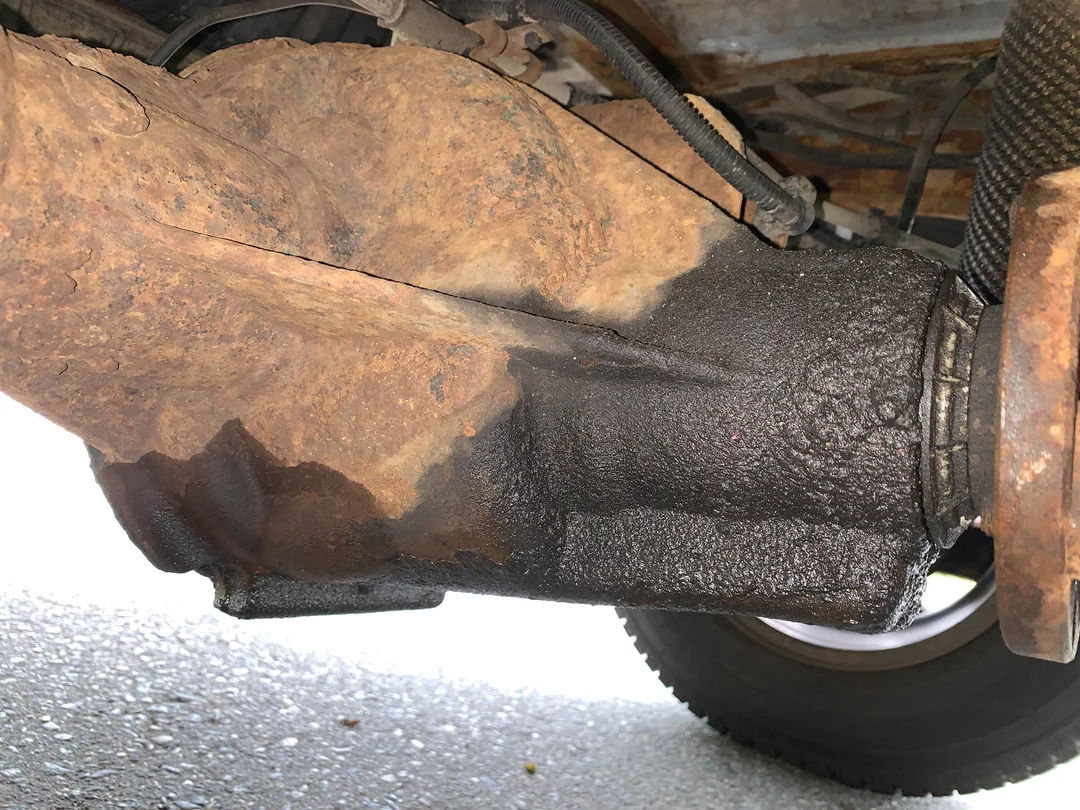
Differentials rely on gear oil to lubricate internal components. If oil begins leaking from the differential housing, seals, or pinion flange, internal components may not receive proper lubrication.
Low oil levels can quickly lead to:
• Bearing failure
• Overheating gears
• Severe internal damage
If you notice oil around the differential housing or on the ground where the vehicle is parked, it’s best to have it inspected as soon as possible.
5. Metal Particles in the Differential Oil
When inspecting a differential, one of the first things we check is the condition of the oil.
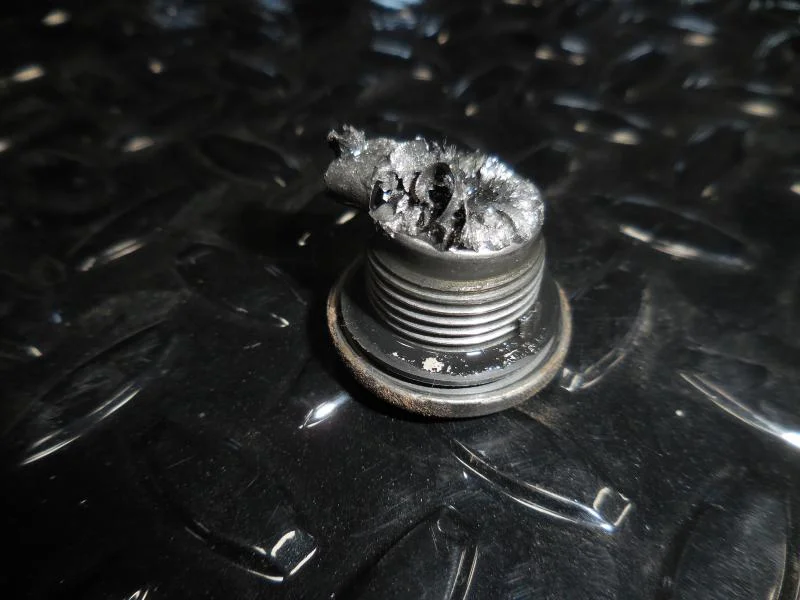
If metal particles or metallic sludge are present in the oil, it usually indicates internal wear or component failure.
This may include:
• Bearing deterioration
• Gear wear
• Internal component damage
Metal contamination is a clear sign that the differential should be inspected and potentially rebuilt before further damage occurs.
Don’t Ignore Differential Problems
Differential issues rarely resolve themselves and typically worsen over time. Addressing problems early can prevent more extensive damage and reduce overall repair costs.
If your vehicle is showing any of the symptoms listed above, it’s best to have the differential inspected by a specialist.
Differential Repairs and Rebuilds
At Gearhead Diffs, we specialise in differential rebuilds, repairs, and upgrades for a wide range of vehicles including 4WDs, performance cars, and commercial vehicles.
If you’re experiencing differential noise or suspect a problem, get in touch with our team to discuss your options.