The differential is a critical component in a vehicle’s drivetrain that allows the wheels to rotate at different speeds while still being driven by the engine.
Although most drivers never think about it, the differential plays a key role in how a vehicle turns, handles, and delivers power to the wheels.
Why a Differential Is Needed
When a vehicle turns, the inside and outside wheels do not travel the same distance.
The outside wheel needs to travel further than the inside wheel, which means it must rotate faster.
If both wheels were forced to rotate at the same speed, the tyres would:
- Scrub across the road
- Lose traction
- Put excessive stress on drivetrain components
The differential solves this problem by allowing each wheel to rotate at a different speed while still transmitting power from the engine.
Where Is the Differential Located?
The location of the differential depends on the type of vehicle.
In most vehicles, the differential is found:
- In the rear axle (rear-wheel drive vehicles)
- In the front transaxle (front-wheel drive vehicles)
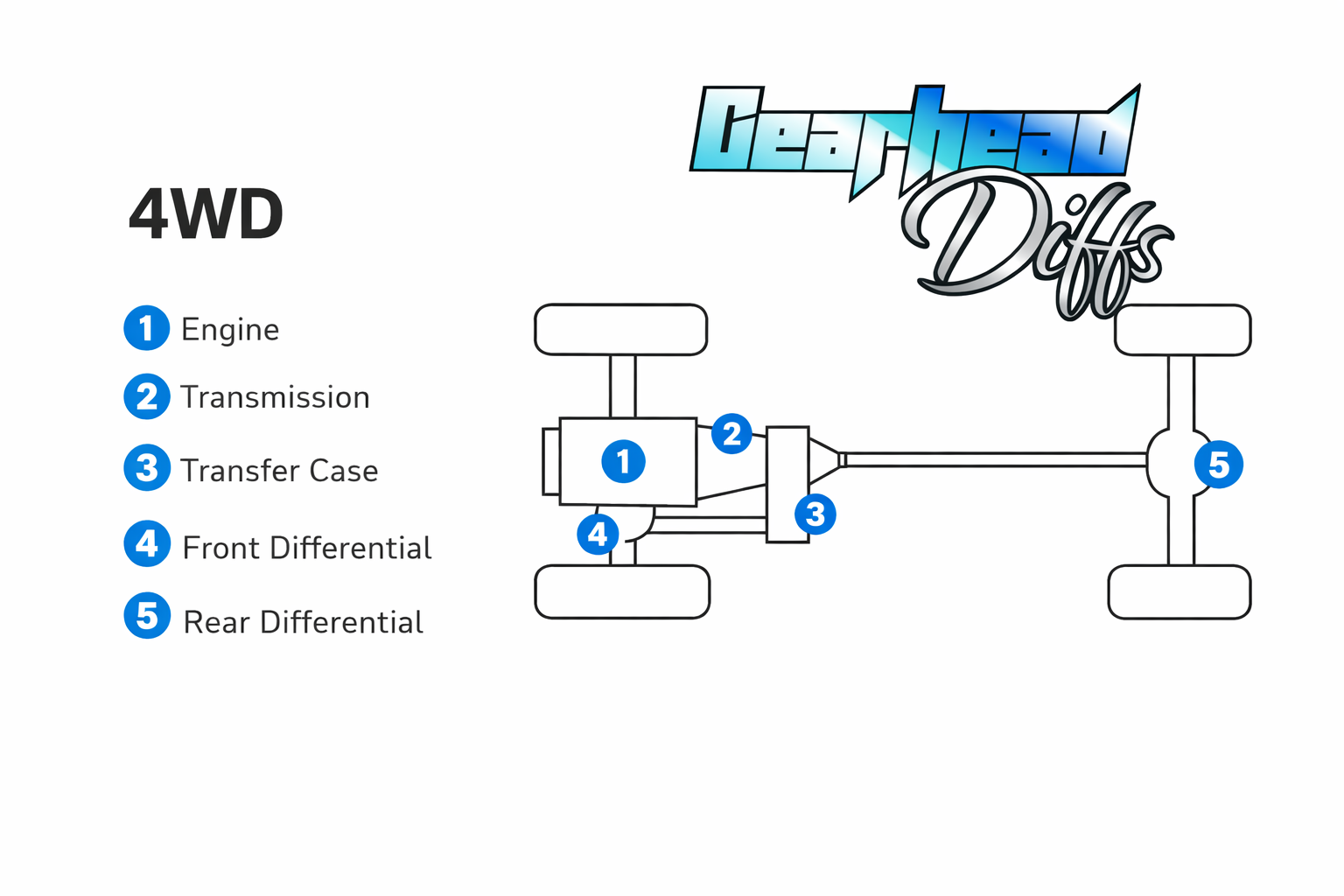
- In both front and rear axles (4WD and AWD vehicles)
In 4WD and AWD vehicles, there may also be a centre differential, which helps manage power between the front and rear axles.
How a Differential Works (Basic Explanation)
Inside a differential are a series of gears that split engine power between two wheels.
When driving in a straight line:
- Both wheels rotate at the same speed
- Power is evenly distributed
When turning:
- The differential allows one wheel to rotate faster than the other
- Power is still delivered to both wheels
This allows smooth cornering without tyre slip or drivetrain strain.
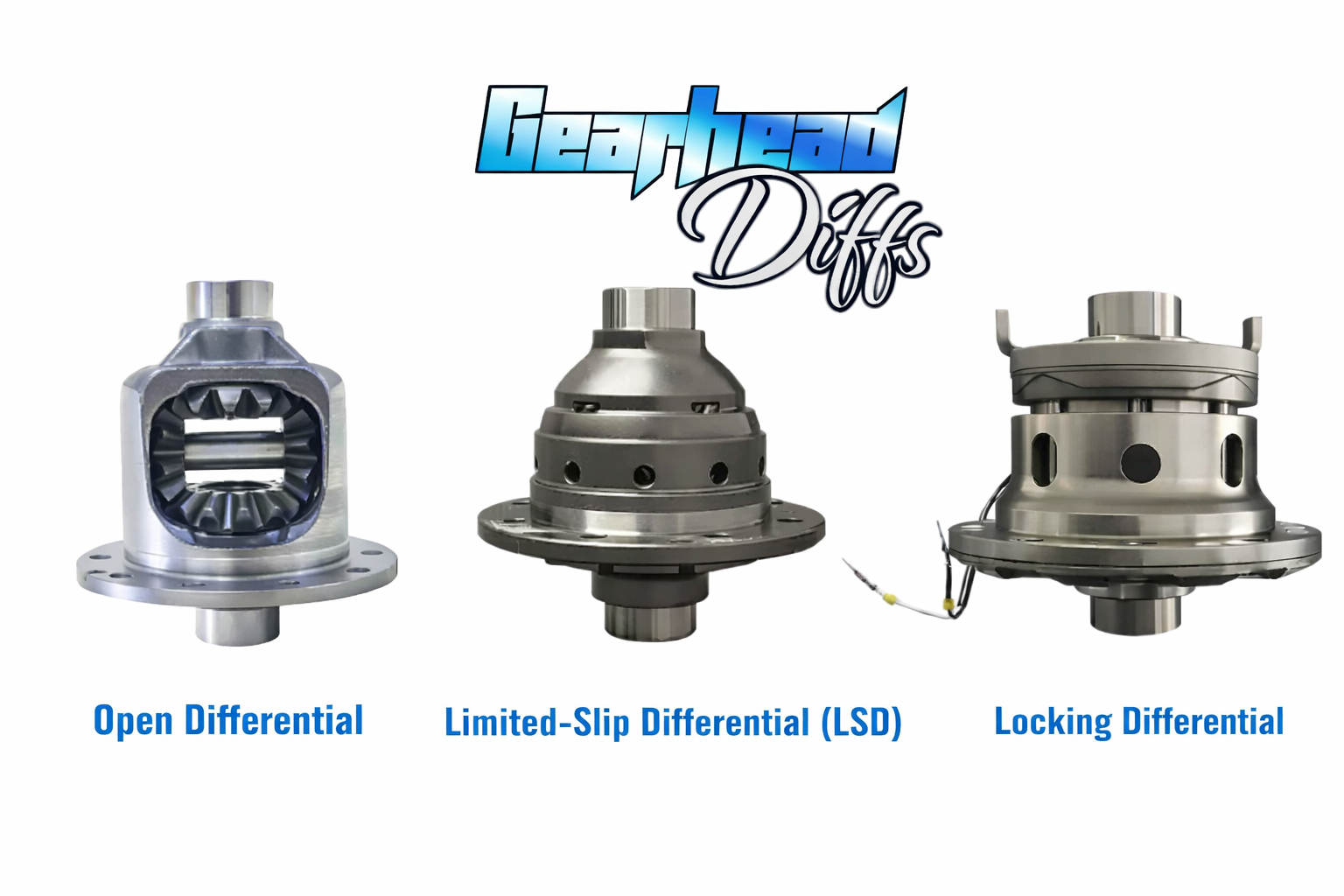
Types of Diffs
Open Differential
- Simple design and most common
- Smooth operation
- Can lose traction if one wheel slips
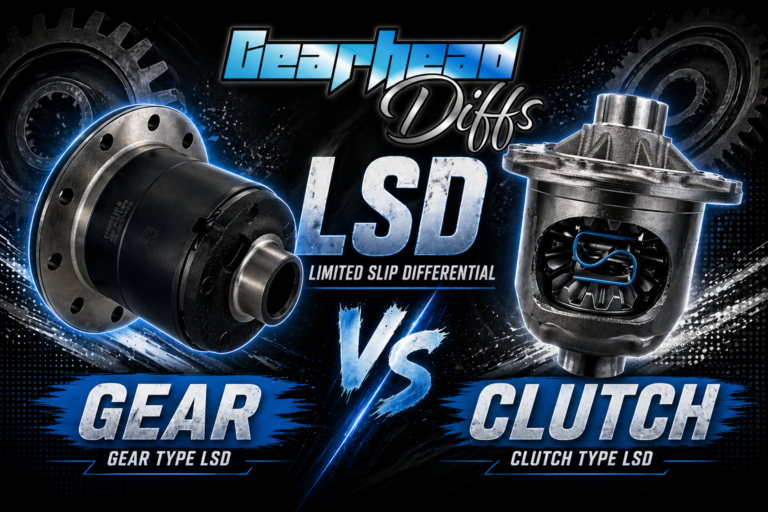
Limited Slip Differential (LSD)
- Better traction than an open diff
- Common in performance and 4WD vehicles
See our article “Intro to Limited Slip Differentials” to learn more.
Locking Differential
- Maximum traction
- Common in off-road vehicles
See our article “Differential Lockers: What They Are and How They Work” to learn more.
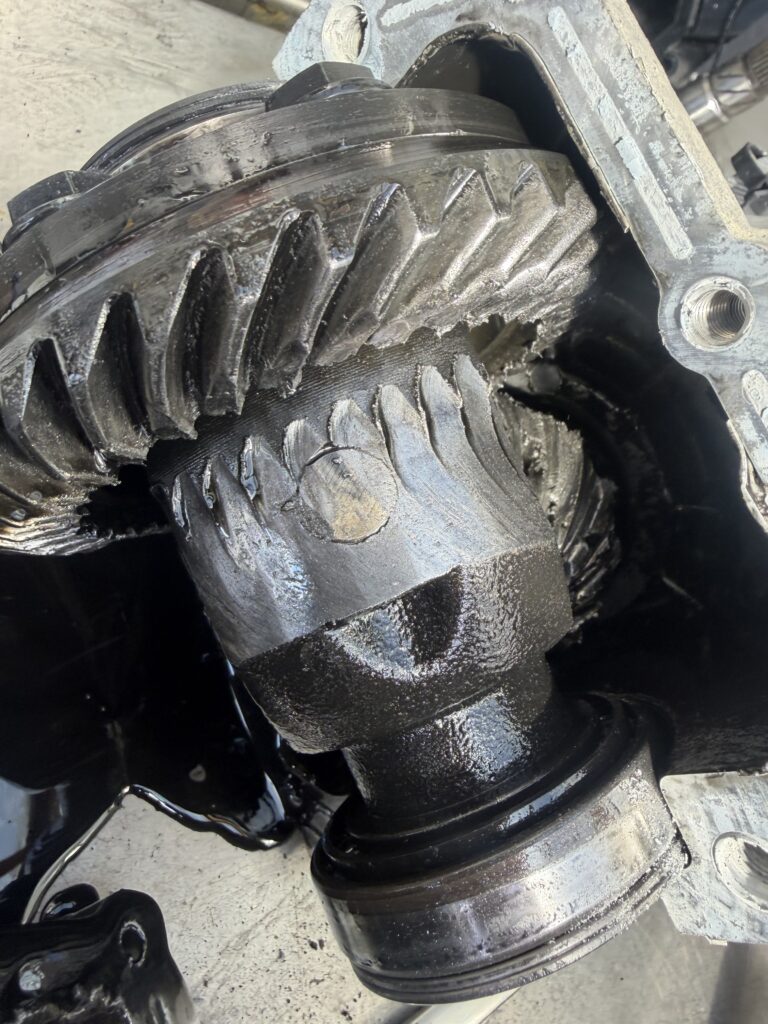
Why Differentials Fail
Common causes include:
- Worn bearings
- Gear wear
- Lack of maintenance
- Contaminated or old oil
- Heavy loads or towing
Symptoms of failure:
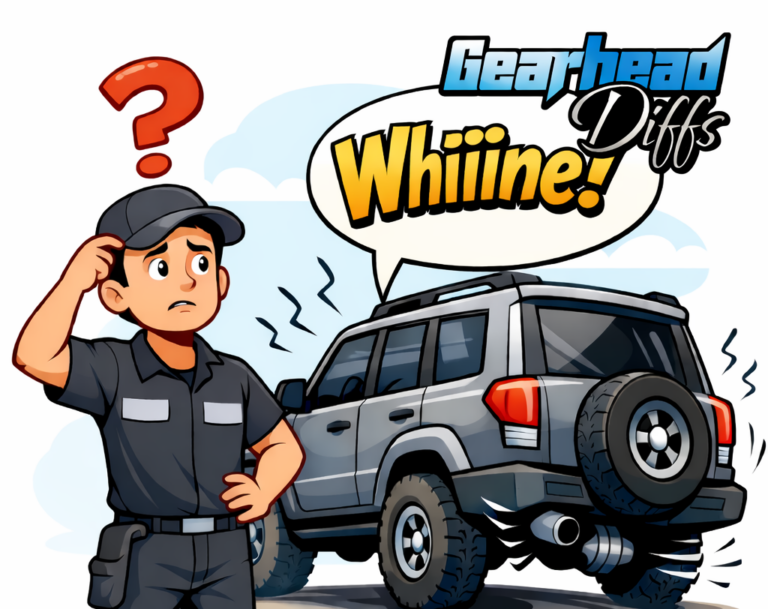
- Whining or humming noises
- Clunking sounds
- Vibration
Maintaining Your Differential
Proper maintenance is key:
- Regular oil changes
- Checking for leaks
- Inspecting for unusual noises
- Servicing after water crossings
Even though some vehicles are marketed as having “lifetime oil”, regular servicing can help prevent premature wear. To learn more on lifetime oils, see our article “Lifetime Diff Oil, Is It Really Lifetime?“.
Diff Repairs at Gearhead Diffs
At Gearhead Diffs, we specialise in inspection, repair, and rebuilding of differentials for a wide range of vehicles.
Keeping your differential in good condition is essential for reliability and performance.
Final Thoughts
The differential is a simple but essential part of any vehicle’s drivetrain.
Understanding how it works helps identify early warning signs and maintain your vehicle correctly.